The October theme for the International Year of Rangelands and Pastoralists (IYRP) focuses on ‘pastoralist women’. This month we once again draw from the PASTRES archives to highlight this theme, situating women’s work within wider understandings of agrarian change, in relation to patterns of commercialisation and in response to shocks such as the COVID-19 pandemic.
Gendered labour in pastoral systems
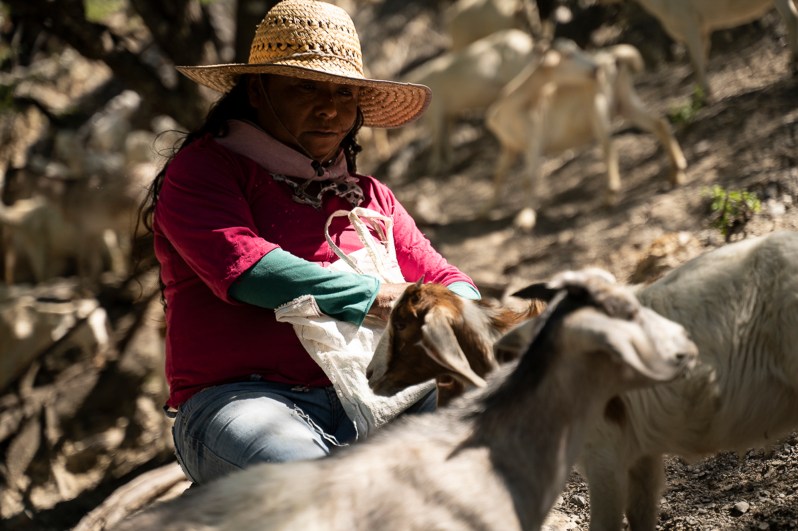
Too often hidden in pastoral societies, women are vital contributors to the resilience of pastoral systems. The importance of women’s care work for pastoral families, especially younger children and the sick, elderly or infirm, at camps and in more settled homes, as well as caring for animals is essential.
In many settings, herds and flocks are split, with men moving with mobile animals, while women stay at the camp/home where they look after children, as well as young animals, overseeing crucial tasks such as milking. These divisions of labour responsibilities across production and social reproduction are essential to wider pastoral systems.
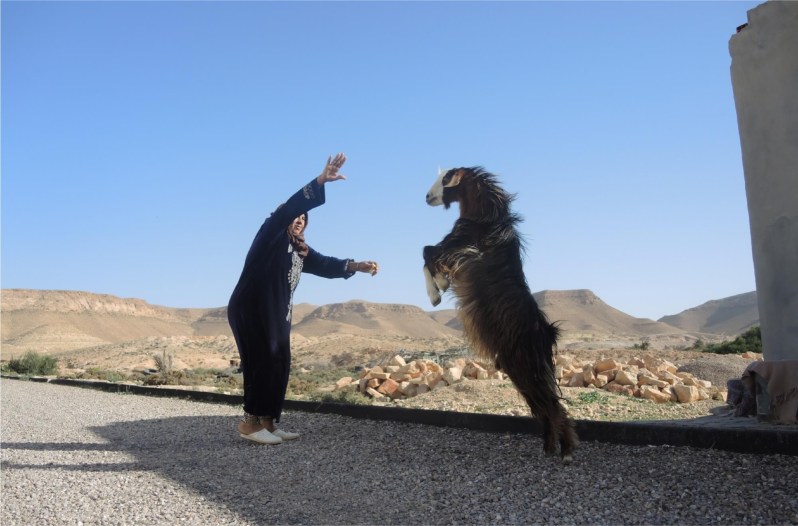
In reflecting on pastoralism and agrarian change, we must look at how production is organised across time and space. This very often involves men and women working in different places. This may be part of the pattern of regular mobility as explored by Natasha Maru in Gujarat, India. Or as part of migrant labour mobilities, when men seek work elsewhere, as shown in the work of Linda Pappagallo in southern Tunisia and Giulia Gonzales in the outskirts of Bamako, Mali as Kel Tamasheq families migrate in response to conflict.
A critical agrarian studies perspective
These connections between distant places and the pastoral rangelands are important when thinking about processes of accumulation, and how pastoral systems change over time. In Tunisia, for example, absentee livestock ownership and social differentiation articulates with the emergence of range management institutions that allow for the caring of flocks owned by those who have left, and this is very often mediated by women.
The importance of a critical agrarian studies perspective on pastoralism was emphasised by the PASTRES project in a review paper and shared in a well-attended webinar. A focus on how axes of difference – across gender, age, ethnicity and so on – affects processes of differential accumulation across pastoralists emphasises why pastoral societies are not egalitarian, despite the myths often projected.
Gender, class, age and other struggles exist just as they do in settled farming societies, especially as capitalism, land competition and forms of commercialisation penetrate the rangelands.
Gendered responses to the COVID-19 pandemic
The gendered dimensions of im/mobility were very apparent during the COVID-19 pandemic, which came right in the middle of PASTRES fieldwork, and was reflected on by the research team across a number of publications.
Lockdowns prevented the usual movements and required responses to how animals and people were managed and supported. This always drew on strong networks of moral economy among pastoral societies, with women almost always at the centre. Here, the role of faith and traditional practices, often central to the cultural roots of women, became especially important, as seen through the work of Tahira Mohamed in northern Kenya.
Women and commercialisation
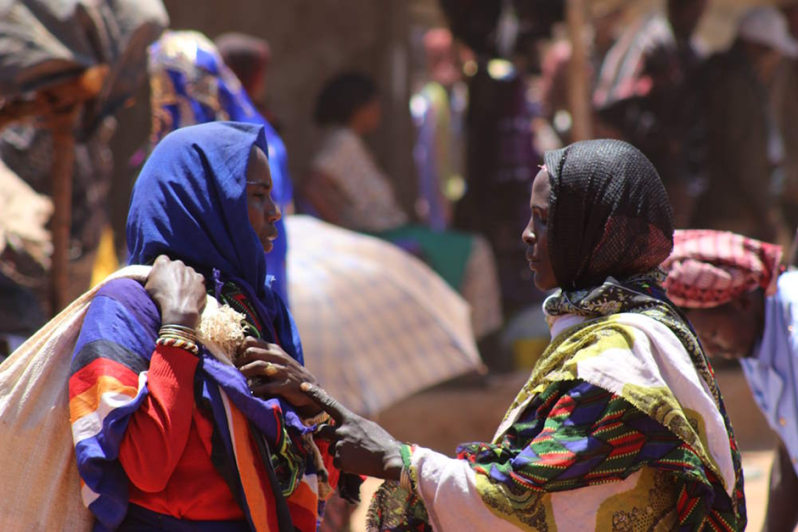
As wider systems change, women are often key to responding. For example, in northern Kenya, many women have moved with young families to town and so are reducing inputs into herd and flock management in camps. In town, they have often taken up other income earning activities, notably marketing.
Nearly all the camel milk marketing and much smallstock marketing in this region is run by women, for example. Combined with petty trade and provision of services in small towns in pastoral areas means a more diversified income, especially as the core pastoral system becomes more constrained.
The emergence of a camel milk market is a vivid example. Women have developed strong networks between producers (in remote settings where camels move to), transporters (on motorbikes), processors (such as women-led cooperatives that have freezers to keep the milk) and marketers (moving milk in containers to terminal markets in Nairobi and beyond).
The facilitation of such markets through ‘reliability networks’ centred on women has revolutionised the camel production system, adding value to pastoral production in important ways.
Changing gender roles
Women’s roles in pastoralism cut across a range of activities. It is not just the hidden work of care and social reproduction within the household and with young or sick animals, but stretches to key responses at times of disaster, such as during COVID-19, and to establishing commercial relationships through social networks. It is these relational understandings of how pastoral systems generate resilience that are key, and the gendered dynamics of these is central.
PASTRES blog archive on gender: https://pastres.org/page/2/?s=gender
Online course: https://pastres.org/online-course/10-class-dynamics/
Webinar: What can we learn from the world of pastoralism for wider agrarian struggles?
Seeing Pastoralism visual work, Tunisia: https://seeingpastoralism.org/Tunisia
This is the 11th post in the series of PASTRES blogs celebrating the 2026 International Year of Rangelands and Pastoralists. For previous monthly blogs see https://pastres.org/category/blog/

