Reflecting on the PASTRES programme’s work from 2018-2023, this series of ten blog posts sums up our findings, discussing what they mean for the future of pastoralism and broader development approaches.
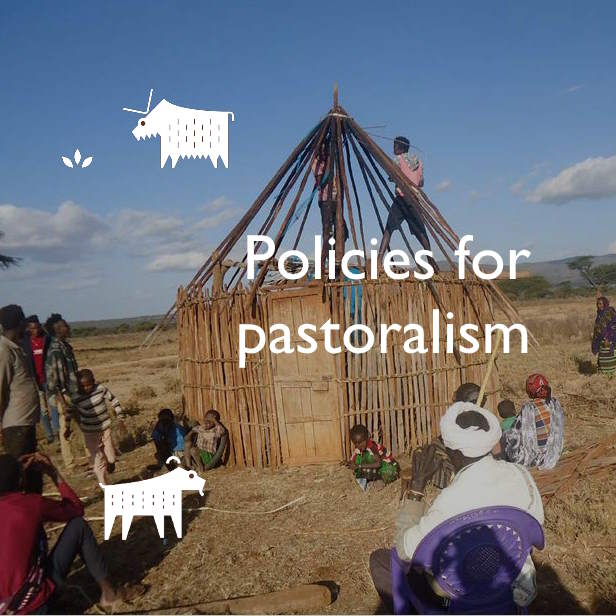
Policies for pastoralism
PASTRES work has aimed to outline a new narrative for pastoralism, challenging many of the misconceptions in current policy. In creating a new narrative about pastoralism – as modern, mobile, productive and an ‘asset to the world’ – some of the assumptions of the past must be challenged.
Livestock and climate change
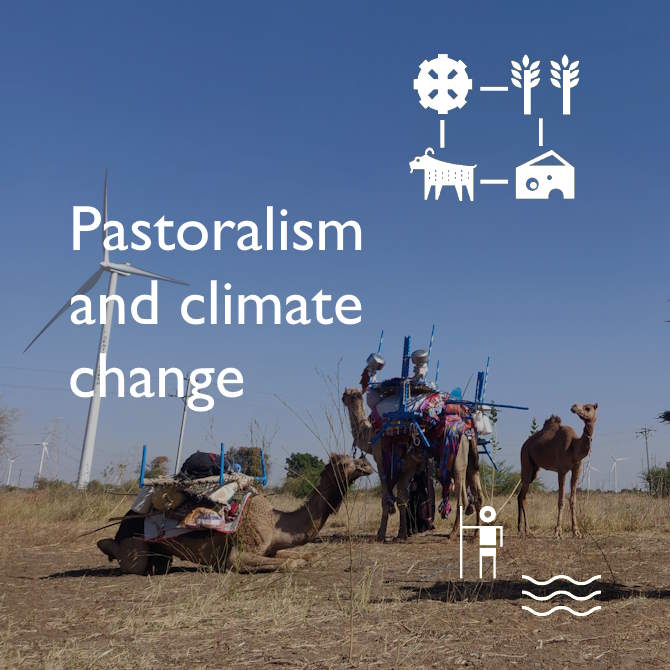
Livestock are an important contributor to greenhouse gases and therefore climate change. But which livestock and where are to blame? Too often all livestock are lumped together, with industrial livestock systems being talked about in the same breath as extensive, mobile systems like pastoralism.
Why mobility matters
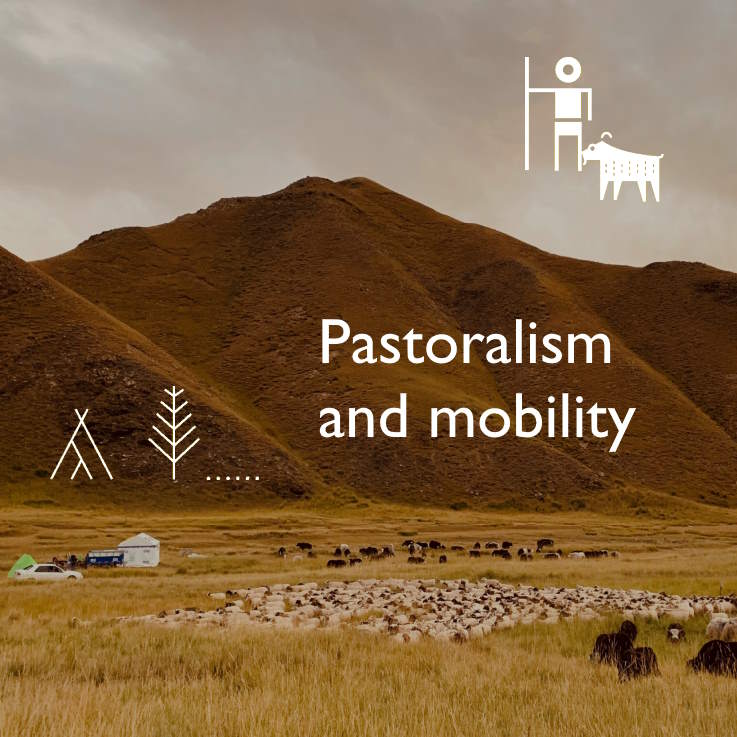
The ability to move to respond to variable conditions is central to pastoral strategies. This takes many forms, ranging from daily to seasonal to inter-annual movements. Movements are facilitated by social relationsas well as technologies. But in many areas, mobility is being constrained or challenged.

Pastoralists as conservationists
Pastoralists are often blamed for environmental destruction. Although there are conditions where concentrations of people and animals can cause damage, there are also many misunderstandings about the ecologies of rangelands and pastoralism, and pastoralists can be important allies in conservation efforts.
Using and owning the land
Much debate about land governance focuses on whether ideal type systems of private, state, or communal tenure are the most effective. Instead, hybrid land governance, with overlapping institutions operating across complex land mosaics, is the most appropriate for sustaining mobile forms of pastoralism.


Pastoralism and markets
Pastoralists are always involved in markets. Standard approaches to development often push ‘modernisation’ to ensure that pastoral marketing is more efficient and profitable. But the ‘real markets’ that pastoralists create have social, cultural, political, and relational dimensions that are often ignored.
Rethinking resilience
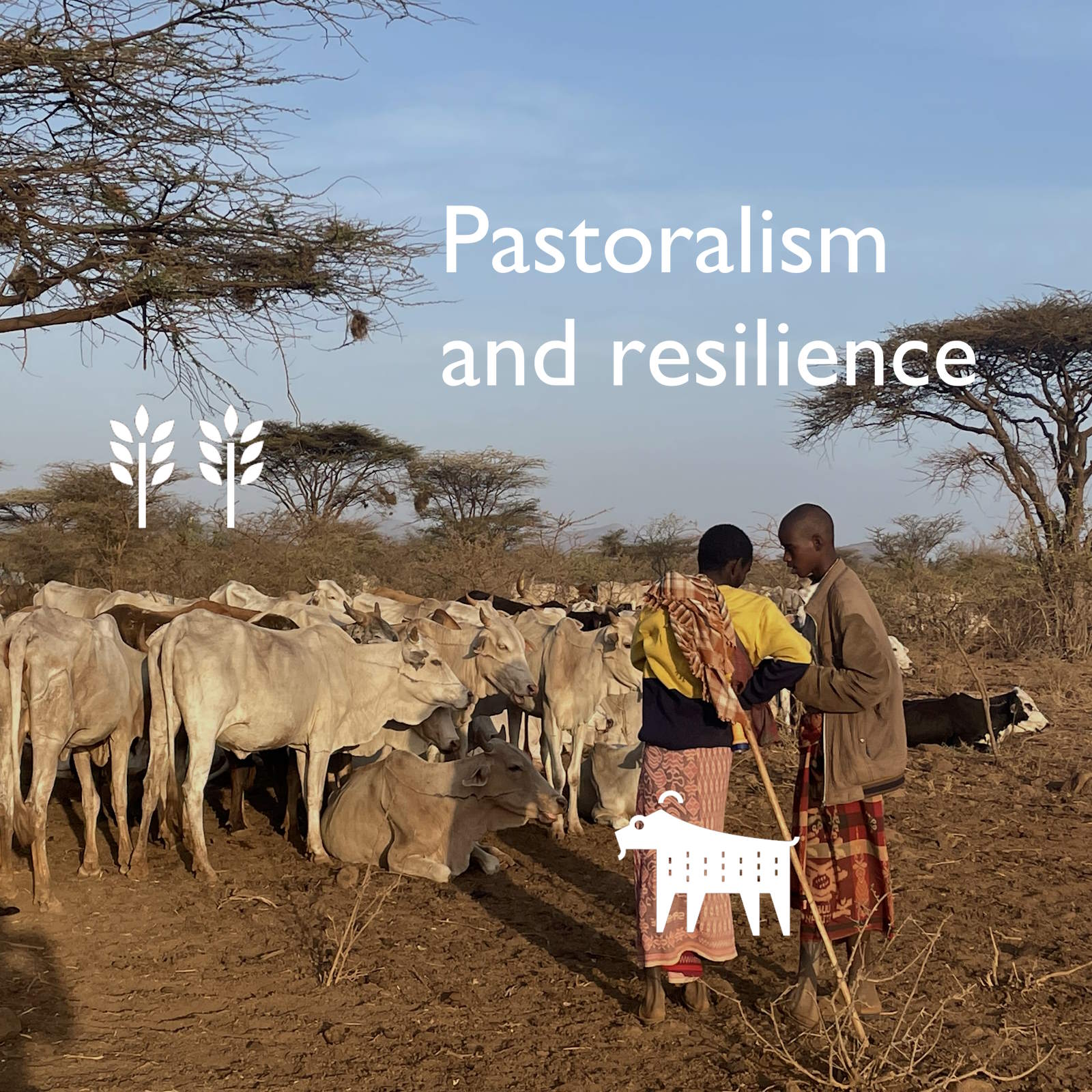
Resilience should not be seen just as ‘bouncing back’ to a previous state, but always adapting and transforming in ways that new conditions are accommodated. In pastoral settings, resilience is created through the actions and practices of reliability professionals and others, within networks, and it’s embedded in social relations, cultures, and identities.

Social assistance, insurance and moral economy
Standard approaches to social assistance, humanitarian aid, social protection, and insurance are often not well-suited to pastoral areas. Mobility and collective support are important ways that pastoralists deal with risks, stresses and shocks.
Agrarian change
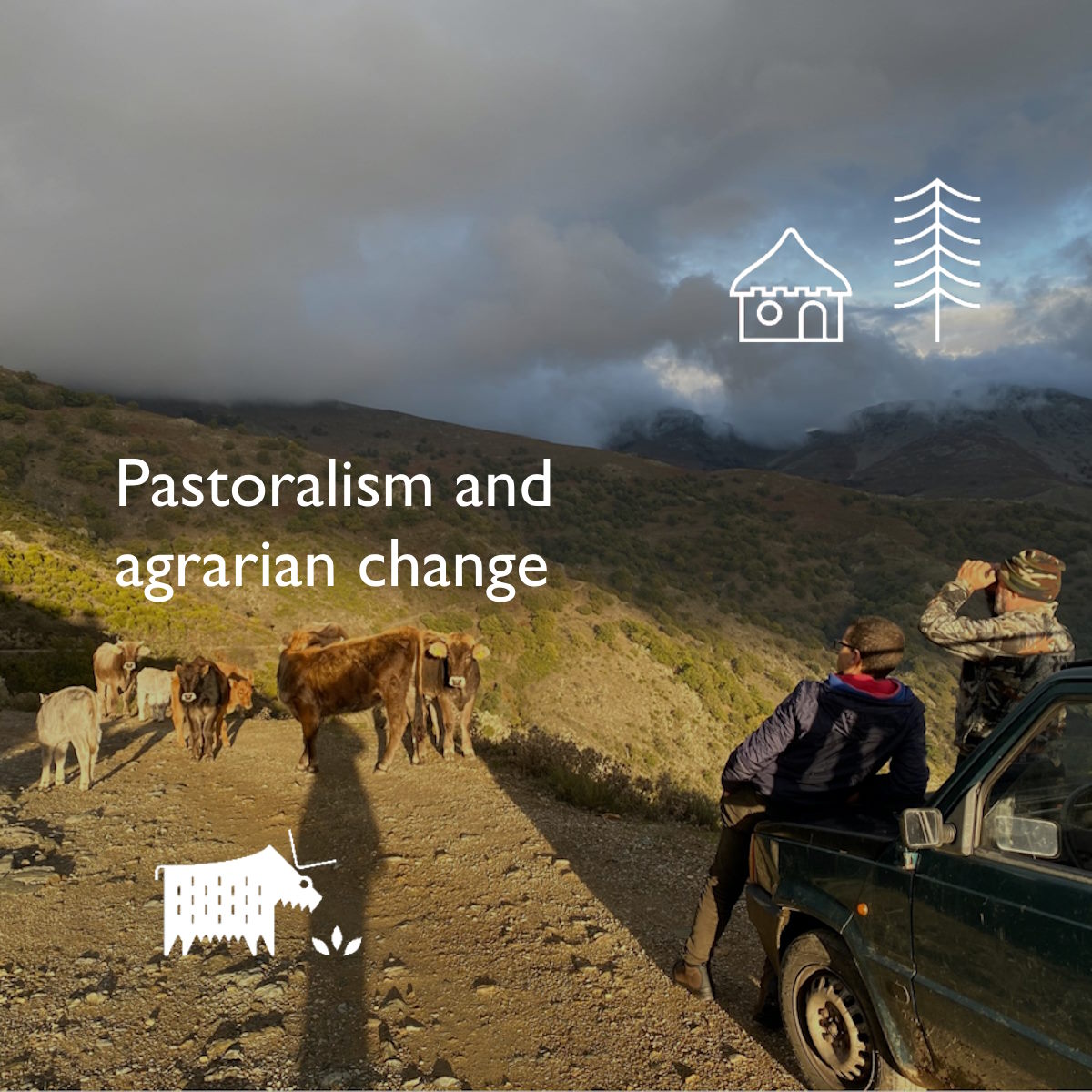
Pastoralists must adapt to changes in land use, shifts in livelihood opportunities, and encroachments on territories. In some places, labour is scarce, and climate change (and responses to it) have an impact. However, mobility, flexibility and ‘hybrid’ uses of land will continue to be key features in pastoral life.
Pastoralism and pandemics
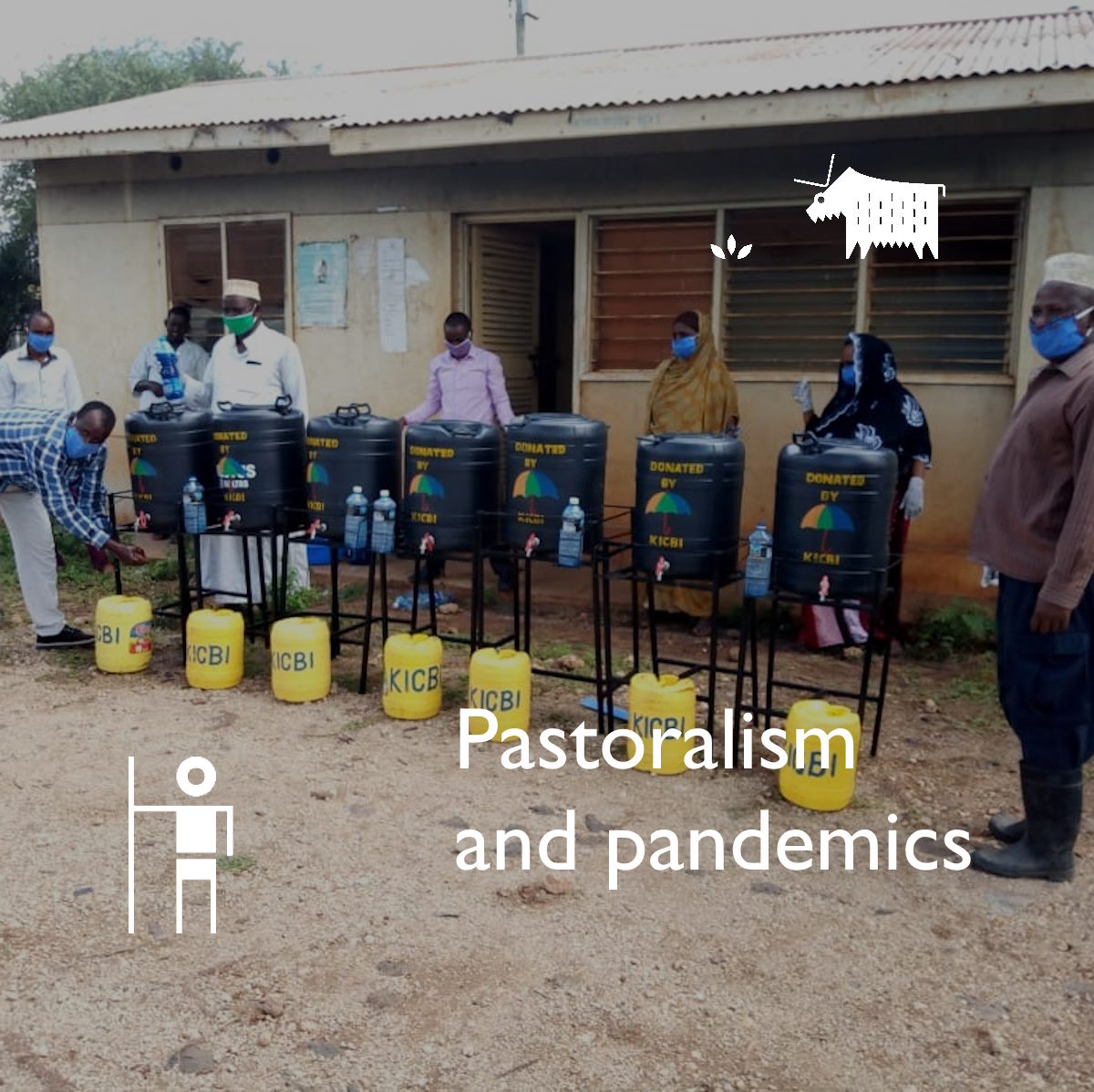
The lessons from Covid-19 suggest that reducing everything to directive risk management is insufficient. Much can be learned from pastoralists’ knowledge, views of time, ways of communicating, decision-making, solidarities and other collective approaches, for dealing with future outbreaks.
 Pastoralism, Uncertainty and Resilience - PASTRES