by Ian Scoones
This is the second in a series of blog posts that bring together PASTRES work from 2018-2023 around a number of themes. In this post, we challenge mainstream narratives around livestock and climate change.
To read through our archive on this theme, click on the link at the end of this post.
Livestock are an important contributor to greenhouse gases and therefore climate change. But PASTRES has been asking, which livestock and where are to blame? Too often all livestock are lumped together, with industrial livestock systems being talked about in the same breath as extensive, mobile systems like pastoralism.
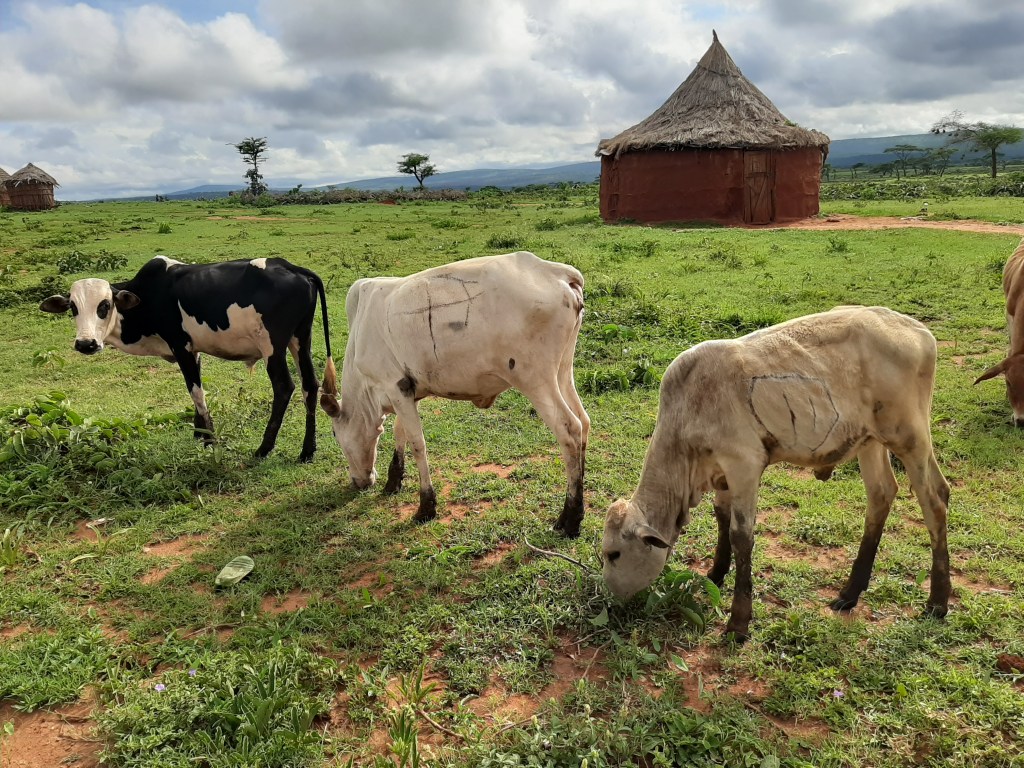
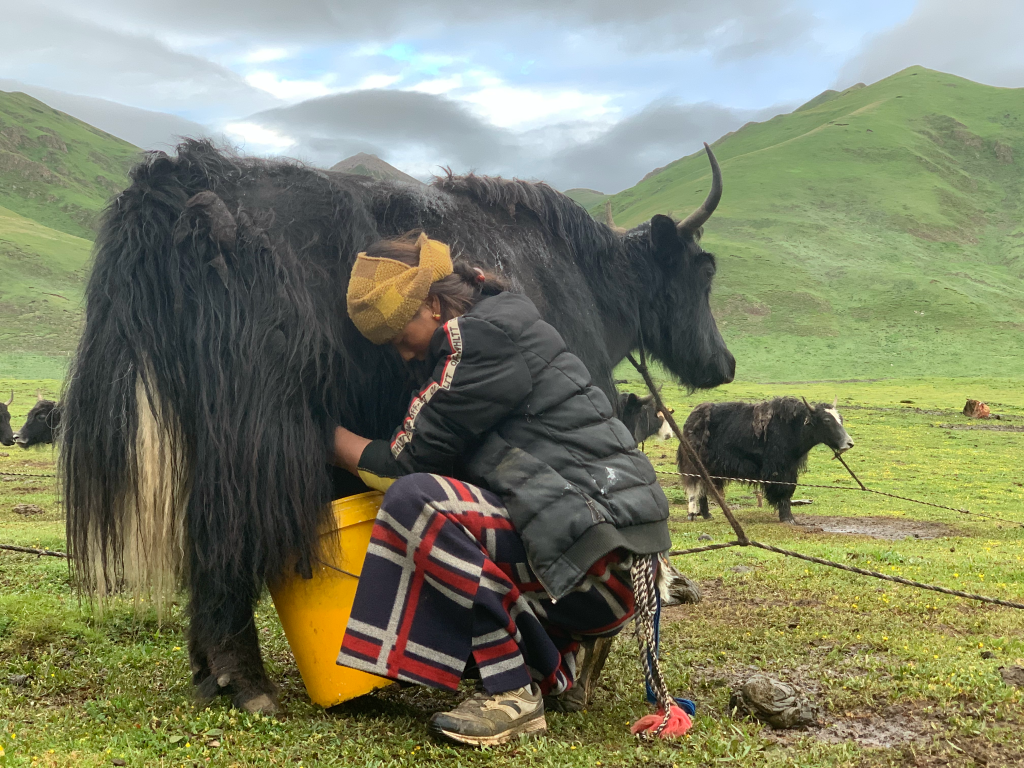
As PASTRES has argued, this causes distortions in the policy debate and results in injustices, with pastoralists being unfairly blamed for environmental destruction. Instead, pastoralism can be a low-impact system, potentially even contributing to carbon sequestration. This is why we argue that taking a more holistic ‘systems’ approach to mitigation is essential, while making sure that data on emission factors are appropriate to the context.
Too often data used by researchers presenting aggregate impacts of livestock on the climate are based on limited sources – mostly industrially produced livestock in contained systems in the Global North. This distorts the picture as the big aggregate figures are highly misleading. Unfortunately, several high-profile publications, data compilation services and media commentators make use of such data to present a picture of livestock’s impact that is undifferentiated and without nuance.
Livestock, climate, and protein transitions
Sometimes this leads to inappropriate suggestions around shifting diets away from animal-sourced foods to plant-based diets or ones that are based on manufactured protein. Again, it all depends on what makes sense, where, and for whom.
In some parts of the world, there is an overconsumption of meat and milk, and such diets can lead to poor health. Heavily processed meats, for example, can be especially damaging. However, in other parts of the world, people are lacking in protein and important micro-nutrients, such as vitamin A, B12, folates, calcium, iron and so on.
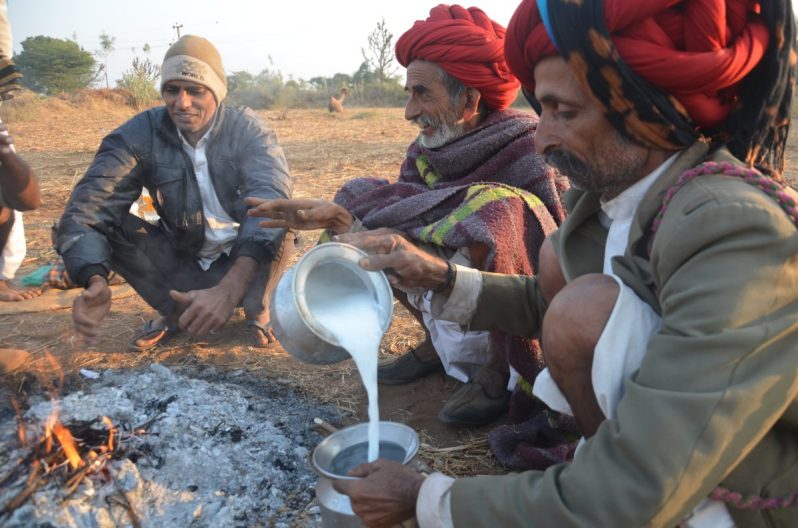
Such nutrients are most easily available from animal-source foods, and increasing meat and milk consumption makes sense. A basic intake of 0.7g/day of unprocessed red meat can be a very important part of nutrition. This is especially significant for poorer people and especially growing children and pregnant women. Pastoralist producers can be critical suppliers of vital nutrition in some of the poorest regions of the world, and therefore blanket recommendations on dietary change are inappropriate and can be damaging.
We highlighted the major misconceptions around livestock, climate and the ‘protein transition’ in the current debate about livestock and the climate in our major report, Are livestock always bad for the planet? This was launched in Sardinia in September 2021, in advance of COP26. The report was co-published with many partners, and we presented the findings at COP26 with colleagues from the World Alliance for Mobile Indigenous Peoples (WAMIP) at a series of events and a ‘sheep for the climate’ protest on Glasgow docks.
The report comes together with a short film, a series of briefings and some earlier blogs. They try to clarify some of the key themes in the debate, including the ten gaps and assumptions in mainstream assessments that we identified.
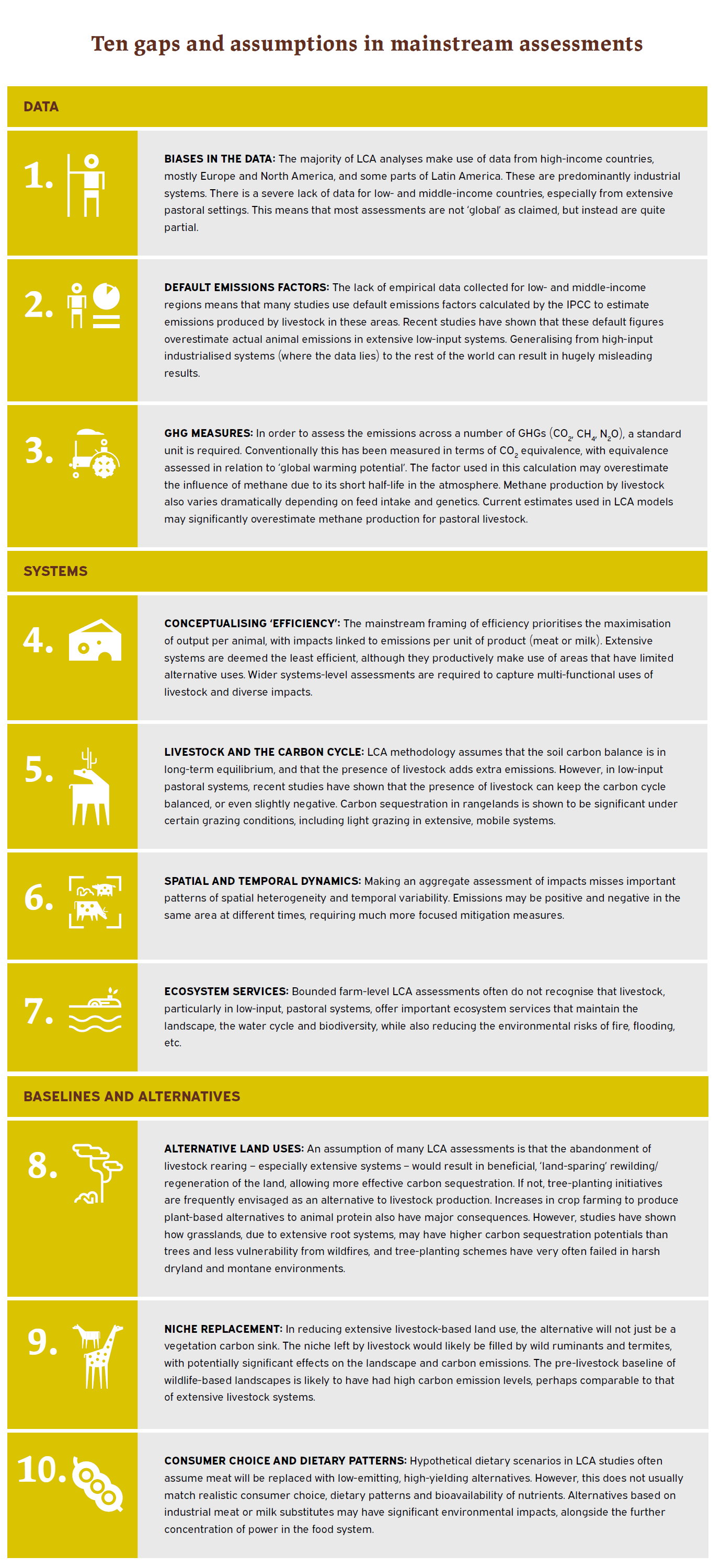
Unfortunately, because of the way that policy actors become swayed by the aggregate and misleading figures and are influenced by the anti-livestock rhetoric of some media commentators and activists, the current policy debate is often ill-informed and distorted. Cows and cars are simply not the same, as some suggest.
A remarkable coalition of environmental, climate and diet activists, campaigning journalists, and supporters of ‘big meat’ have pointed the finger of blame at extensive livestock production, arguing that to save the climate such production systems must be abandoned, or at least contained and controlled.
This simplistic policy discourse alienates rural livestock keepers, sometimes encouraging them to join regressive populist political movements. The generalised anti-livestock discourse also potentially results in multiple injustices, with major negative consequences for pastoralism and people’s livelihoods, often in very poor and marginalised parts of the world.
The methane debate
Two articles – ‘Livestock and Climate Justice: Challenging Mainstream Policy Narratives’ and ‘Livestock, Methane and Climate Change: The Politics of Global Assessments’ – pick up the themes of injustice emerging from the way the science is constructed and how the policy debate currently plays out.
These issues were explored in a webinar with the Institute for Agricultural Trade Policy (IATP) on Livestock Methane: Identifying Gaps to Advance Meaningful Solutions and several PASTRES blogs.
Through its work, PASTRES has made the case for ensuring that pastoralists’ voices are heard in the often very partial climate policy debate, with interventions at recent COPs in Glasgow, Sharm el Sheik and Dubai. This means understanding how livestock keepers make use of their land and how emissions are limited through management practices.
Extensive rangelands cover over half the world’s land surface, and most of this area cannot be used for food production without massive investment. Pastoralists produce animal products for many millions of people from these rangelands with low environmental impact. Instead of being portrayed as climate villains, pastoralists need to be celebrated as guardians of the environment.
Explore our work on climate change
Click on the button to explore the archive of posts on this theme.
Cover photo: Natasha Maru


We should label much of this anti-livestock rhetoric for what it really is: environmental livestock-tarring.
If corporate greenwashing is, as one definition has it, “an umbrella term for a variety of misleading communications and practices that intentionally or not, induce false positive perceptions of a system’s environmental performance,” then environmental livestock-tarring is “an umbrella term for a variety of misleading communications and practices that intentionally or not, induce false negative perceptions of a system’s environmental performance.”
LikeLiked by 1 person