The September theme of the 2026 International Year of Rangelands and Pastoralists highlights the ‘benefits to society’ of pastoralism. There are of course many such benefits, but, for this month, the emphasis is on livestock products, and their contribution to diets and healthy lives.
Why animal sourced foods are important for health
There is much debate about the presumed ills of animal sourced foods. Like anything too much meat or dairy can be bad for you. And across the planet there are many places where reductions in intake and changes in diet are important for health. But this is not universally the case, as animal source foods provide important micronutrients, as well as being an important source of protein. They can be especially important for pregnant or breast-feeding women as well as young children.
The debate in large parts of the rich world about diet change and the need to create a ‘protein transition’ to vegetarian and vegan lifestyles often misses the point. This is usually raised in relation to climate change debates where reduced meat/milk consumption is supposed to lead to reduced demand for livestock and so reduced emissions as livestock populations decline.
As we have highlighted many times through PASTRES research, it depends very much on which livestock, where. Not all livestock are, after all, bad for the planet, as we pointed out in our major report.
The importance of animal products: cheese, milk and meat
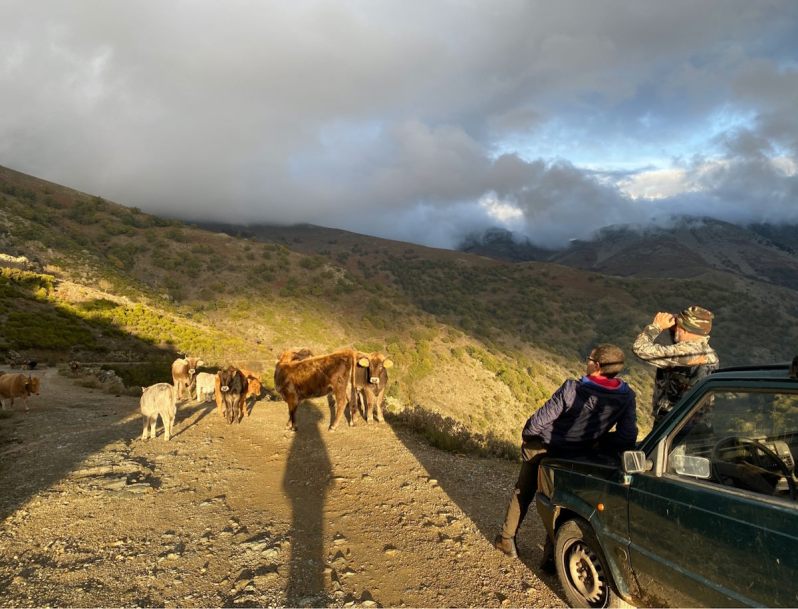
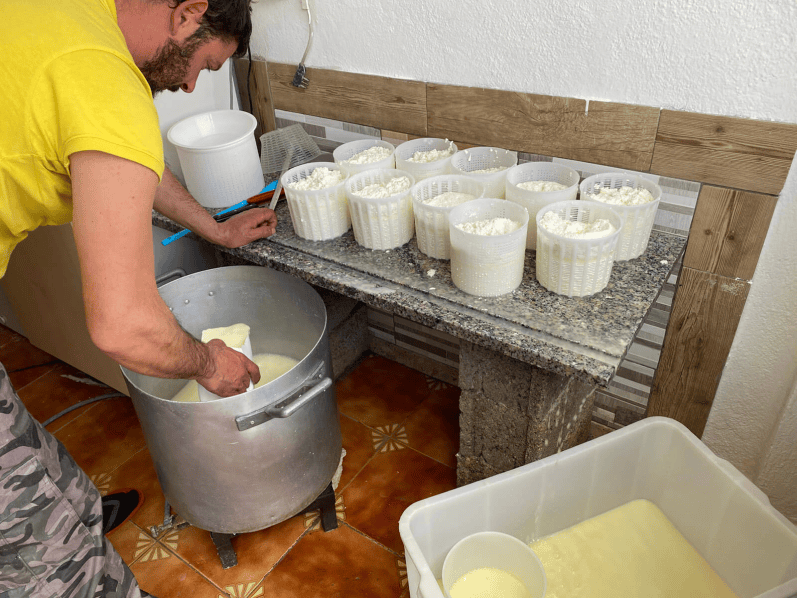
Livestock can be at the centre of sustainable economies based on animal products. Take Sardinia in Italy, where Pecorino Romano has become a major export in demand across the world, as discussed by Michele Nori. Meanwhile local cheeses, such as the many varieties of Pecorino Sardo, are important for local artisanal markets, with high quality products sold on to restaurants, specialist shops and tourists. Cheese supports a pastoral economy that engages with markets in many different ways as Giulia Simula describes in her work. Some is more industrial, some more artisanal, and there are many gradations in between. These are not easy markets to respond to as there is much price volatility and huge variations in both supply and demand. Responding to such market uncertainties is central to Sardinia pastoralists’ expertise. That Sardinia is able to sustain pastoral lifestyles is down to these complex markets that support the production of milk from extensive grazing of sheep (and some goats). Without this economy, the villages would decline, the pastures would become encroached and the specialised cheeses that is so central to diet and culture in Sardian would disappear. Cheese thus sustains people and environments as well as the wider economy.
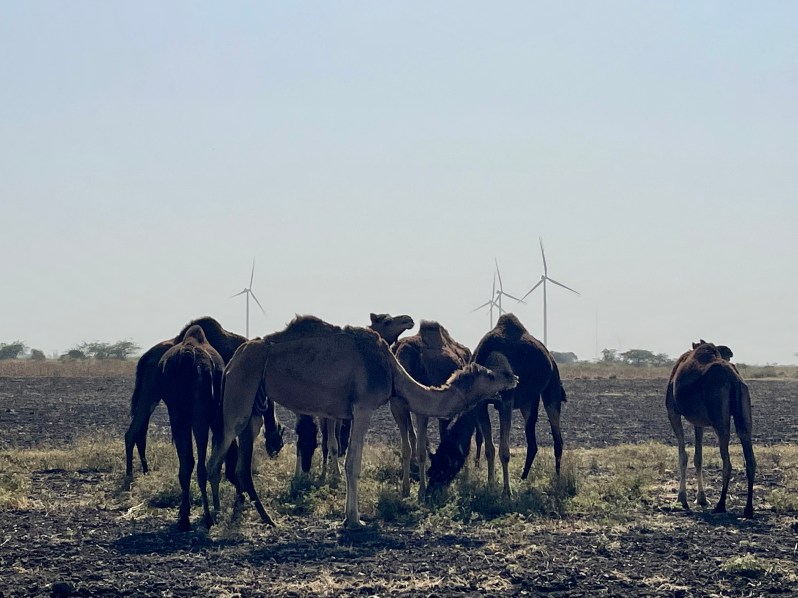
The same is true of the growing camel milk market in northern Kenya studied by Tahira Mohamed and Michele Nori. As the climate has changed, many people in the traditional cattle-keeping areas of Isiolo County have shifted to camels. Camels are hardy and produce milk even in incredibly dry settings. Collecting this milk and preserving it so it can be sold on to markets requires a network of reliability professionals – from the rangelands to the local towns on motorbikes to the collection points and depots with refrigeration to the buses that transport milk to Nairobi to the local traders in Eastleigh who sell the fresh milk to their customers. This complex value chain is led in particular by women – often of Somali ethnic origin – bringing their deep experiential and cultural knowledge of camel products. It is a vital market, reviving the fortunes of these areas, despite climate change and offering a vibrant new market network that brings income to some of the most marginalised places. Again, a pastoral product – in this case camel milk – keeps the rangelands and its peoples alive, both in Kenya and across the world, and in Kenya it is women in particular play a major role.
Meat and milk production in pastoral areas in Türkiye, like other pastoral areas, is dependent on flexible movement. This includes the Sarıkeçili transhumant pastoralists who may move over 400 km each year across the Taurus mountains with their flocks of goats as well as the more sedentary cattle producers in the Kars plateau in northeast Türkiye. Restrictions on movement by forest enclosures, encroachment of urban areas and agriculture or state laws that reduce the capacity to move and set up camp while moving can result in a whole system of production being undermined. In the case of the Sarıkeçili pastoralists, this produces high quality goat products that the community markets in Istanbul through the (highly recommended) Geççi restaurant. In the Kars area, the ability to produce cheese from cow’s milk – following recipes and techniques introduced by the Swiss many decades before – is dependent on access to pastures, which may be restricted by movement bans due to disease outbreaks (such as foot-and-mouth) and so results in interrupted pathways for pastoralists. High quality animal products – whether in the form of Kars cheese or Sarıkeçili meat sold in Istanbul – rely on systems that require flexibility and movement.
Benefits to society depend on wider pastoral systems
As these three examples from PASTRES work show, the social benefits of pastoral products to society can only be secured through an appreciation and support of a much wider system – of grazing, movement, markets and transport systems – that deliver the crucial benefits of milk, meat, cheese and other animal products to wider populations. Given the importance of such products for health and nutrition, such pastoral systems must not be taken for granted.
Further information from the PASTRES blog archive on diet, milk and cheese: https://pastres.org/?s=diet; https://pastres.org/?s=milk; https://pastres.org/?s=cheese
Online course on livestock production: https://pastres.org/online-course/6-livestock-production/
Seeing pastoralism, photovoice from Sardinia: https://seeingpastoralism.org/sardinia-photovoice-1; https://seeingpastoralism.org/sardinia-photovoice-2
This is the tenth PASTRES blog in the series celebrating the 2026 UN International Year of Rangelands and Pastoralists. For previous monthly blogs see https://pastres.org/category/blog/
 Pastoralism, Uncertainty and Resilience - PASTRES