by Roopa Gogineni and Shibaji Bose
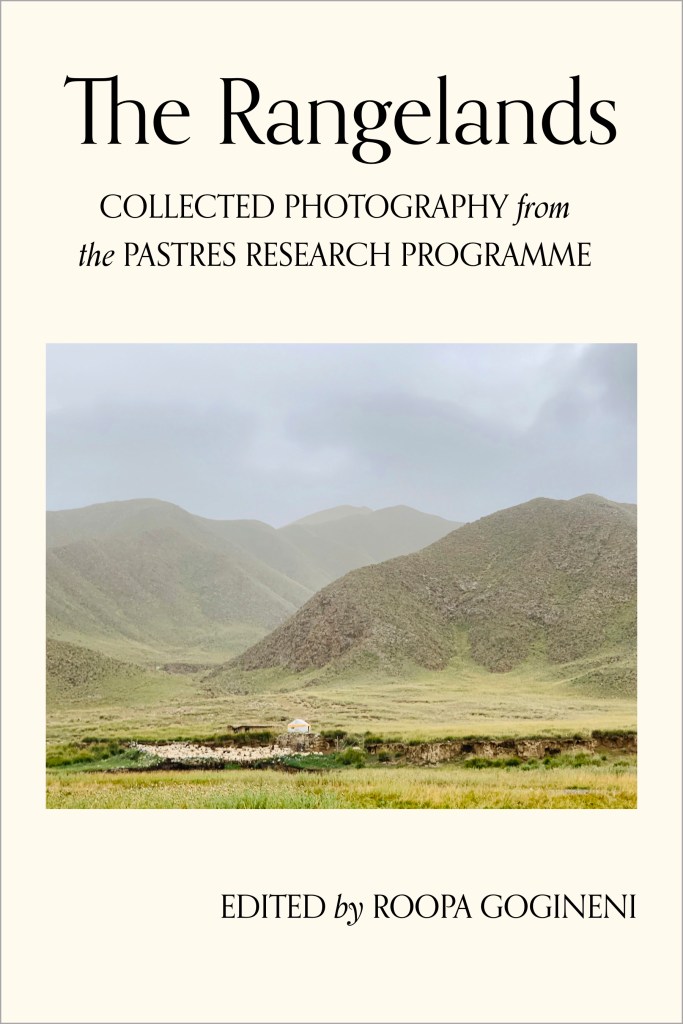
This week the PASTRES programme shares two newly published books: The Rangelands: Collected Photography from the PASTRES Research Programme by Roopa Gogineni and Photovoice with Pastoralists: A Practical Guidebook by Shibaji Bose.
Both books are open access and can be downloaded and viewed online: the links are at the end of this page.
Photography, in academia and beyond, has a chequered past. In the hands of elites, cameras were long treated as objective tools of documentation. Photography’s early use from war reporting to anthropological research rendered complex worlds in two dimensions. Over time, visual narratives converged and cemented.
The dominant representation of pastoralism was one stuck in time; at once romanticized and vilified.
Like any technology, however, cameras can be reappropriated. In recent decades, the social and power dynamics inherent to image creation and consumption have been better explored, resulting in the development of more nuanced and critical visual methods.
During our research, PASTRES researchers engaged photography in various ways. These experiences are shared in two new publications. Below, the author of each book gives their personal account of how the work developed and what was learned.
Photo book: ‘The Rangelands’
by Roopa Gogineni
My first encounter with PASTRES was in the summer of 2019, when Shibaji Bose and I met the six PhD candidates in a hot classroom at the Institute of Development Studies. There we began a conversation about visual methods that would continue over the next four years.
I had been working as a photographer and documentary filmmaker, within industries that had their own audiences, values and professional standards. Discussing image-making in this new context challenged many of these norms, and sparked ideas for how images could deepen how we build and share knowledge.
The PASTRES programme leaned into this opportunity. Researchers embraced the potential of visual tools, harnessing their power of communicating complexity across language, of reframing, of changing our way of seeing.
The methods and outputs are too many to name here, but are described in the second chapter of the book Pastoralism, Uncertainty and Development (2023).
As an advisor and curator, I had the privilege of spending time with tens of thousands of images from pastoralist communities. I encountered photos that surprised me and shook loose previous beliefs – the work has been simultaneous unlearning and learning anew.


Right: warding off locusts (Masresha Taye)
The Rangelands brings together a small selection of these photographs taken by pastoralists, researchers, or pastoralist-researchers. The collection of everyday moments over seasons and years suggests the expansiveness of pastoralist experiences across five continents.
Among the herders, rangelands, flocks and dwellings, certain patterns appear. We see people living in close relation to land and animals. Facing uncertainty, they integrate old ways of knowing and adapting to make use of variability.
Photovoice with Pastoralists
by Shibaji Bose

One of the primary reasons for developing this guide is due to the numerous requests from the community, local organisations, NGOs, aid agencies, research students and others, including audiences of our visual methods website (seeingpastoralism.org) for sharing the PASTRES experience of embedding photovoice experiences in research processes.
In presenting the photovoice process, I have drawn heavily from the field experiences by providing field-based accounts of how researchers situated the method, their challenges and revelations. The book also explores how they complemented and improved on a standard approach using other visual and digital ethnography tools.
As far as possible, I have attempted a frank reflexive assessment offered by the participants while covering all aspects of the photovoice journey – from the first orientation with the researchers, to the exhibitions and feedback dialogues.
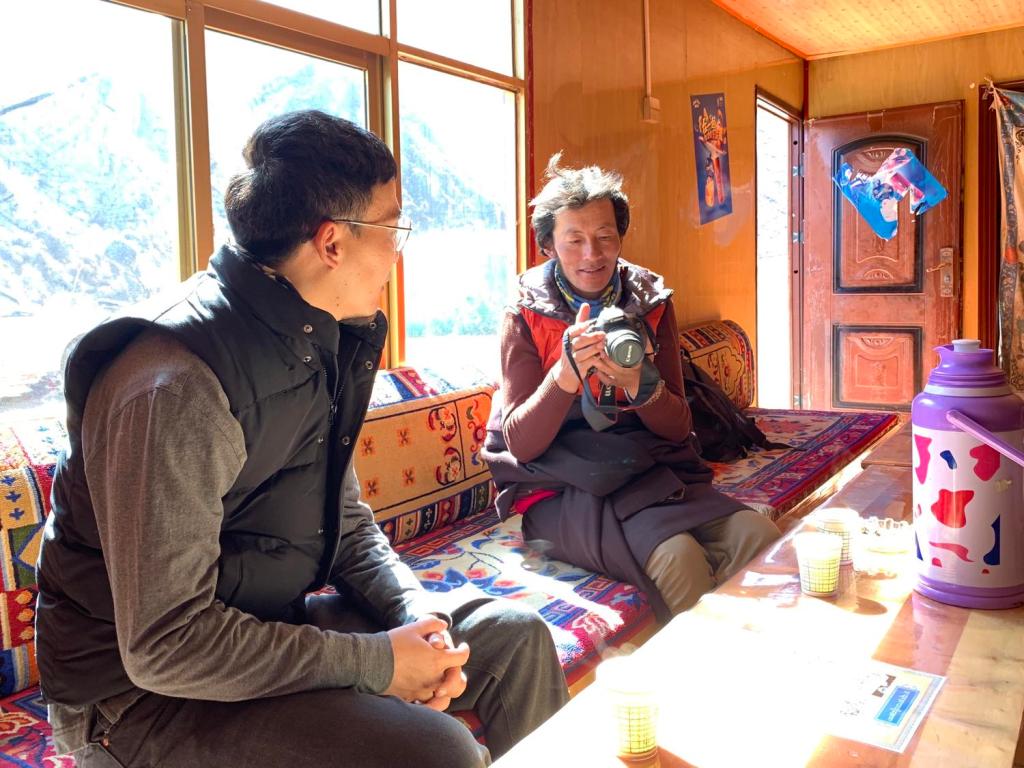

The Guidebook is a sincere effort to try and view the photovoice experience as a site of enquiry. It puts forth a loose roadmap for how other visual research methods and ever-evolving visual study techniques can complement the photovoice approach, flexibly adjusted according to the situation, study population, and the social and political environment.
The book also provides a reflection of how researchers used the photovoice method to surface new meanings and perspectives that are missed by traditional methods, such as interviews or focus group discussions, during the PASTRES enquiry.
Read the books
Both books can be downloaded or viewed online, fully open access.
Download the books in PDF format:
Read the books online
The Rangelands
Online flipbook – view without downloading
Photovoice with Pastoralists
Explore a website with content from the book
Online exhibition
Launched in 2021, our online exhibition Seeing Pastoralism includes images, clips and stories from our six main research sites, with photographs taken by researchers and by the pastoralists we worked with.


I want to thank Roopa Gogineni for reiterating that “the work has been simultaneous unlearning and learning anew.” One is not the other and both have to occur together.
LikeLiked by 1 person
I hope everyone takes a look at the photograph and side commentary on page 38 of the photovoice Practical Guidebook. It illustrates so much better the insight that, like so much in life, what you see in pastoralism isn’t one way only.
LikeLike