by Shibaji Bose and Roopa Gogineni
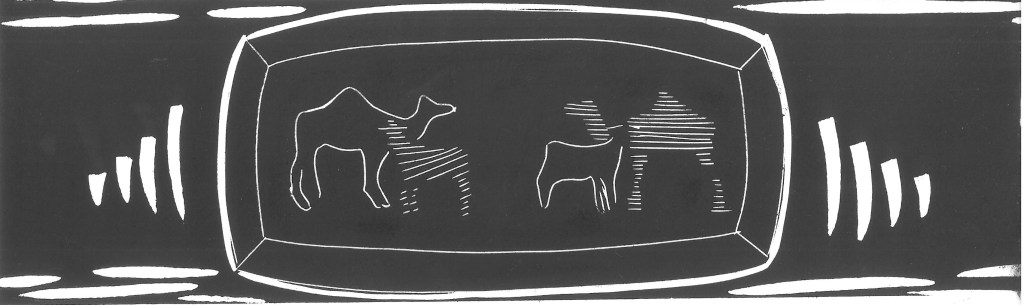
The second chapter of the book is an exploration of pastoralists’ understandings of uncertainty in China, Ethiopia, India, Kenya, Sardinia and Tunisia through visual methods. Using documentary photography and participatory photovoice approaches, the teams in each of the countries explored how different pastoralists (men, women; young, old; richer, poorer) understood ‘uncertainty’ and how intersecting uncertain events and processes have shaped their lives.
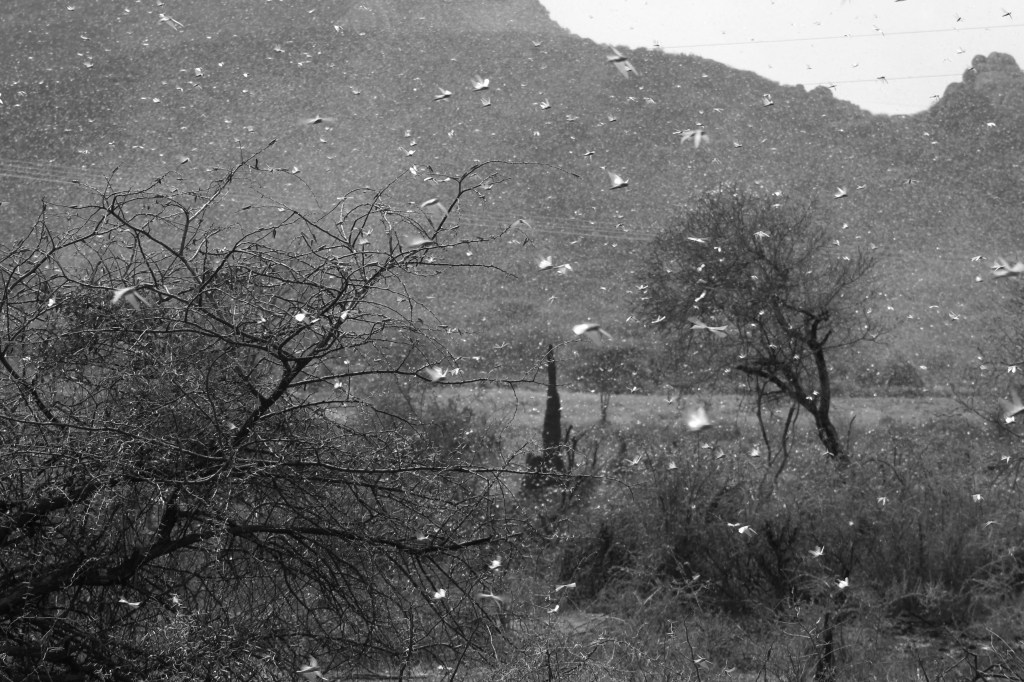
From droughts to floods to locust plagues to major snow falls to sudden market collapses to inter-ethnic conflicts, uncertainties have shaped how pastoralists live and survive. The chapter explains the visual methodologies used and, through a series of black and white photos, highlights some of the themes that emerged from this cross-country exploration, illustrated with quotes from pastoralists on how they understand uncertainty in their own contexts.
Uncertainty – where the future is not known – is very much part of everyday life; uncertainty is seen as ‘normal’ and can also open up opportunities. Uncertainties come in many different shapes and forms, and it is often when things combine or come in sequence that problems arise. Pastoralists have numerous ways of responding: some are technical and market-oriented, and others are linked to social relations and identity, as well as political relations.
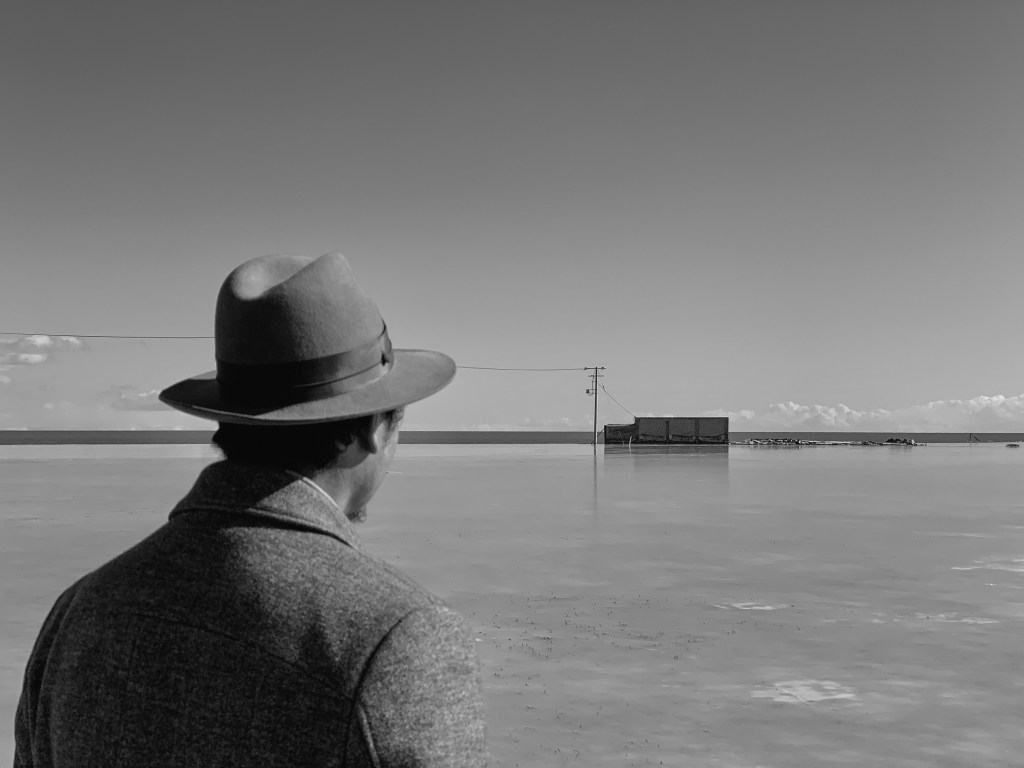
What is clear from across the cases is that uncertainty is not something to be predicted and controlled, but something to be embraced. Living with and from uncertainty is the central feature of pastoralism as a production and livelihood system, and the photos and quotes bring this to life.
More on the PASTRES visual methods and photovoice work: https://seeingpastoralism.org/

