by Linda Pappagallo
This blog provides a brief overview of the eighth chapter of our newly published book Pastoralism, Uncertainty and Development edited by Ian Scoones.

This chapter reflects on the experience of young entrepreneurial pastoralists in Douiret in the drylands of Southern Tunisia, and how they are able to accumulate livestock flexibly, despite numerous uncertainties. What do dynamics of wealth accumulation through livestock look like in drylands? How do pastoralists organize relationships and resources to accumulate livestock, while living with various forms of economic and environmental uncertainties? How can pastoralism be combined with labour migration assuring livestock accumulation in an uncertain setting?
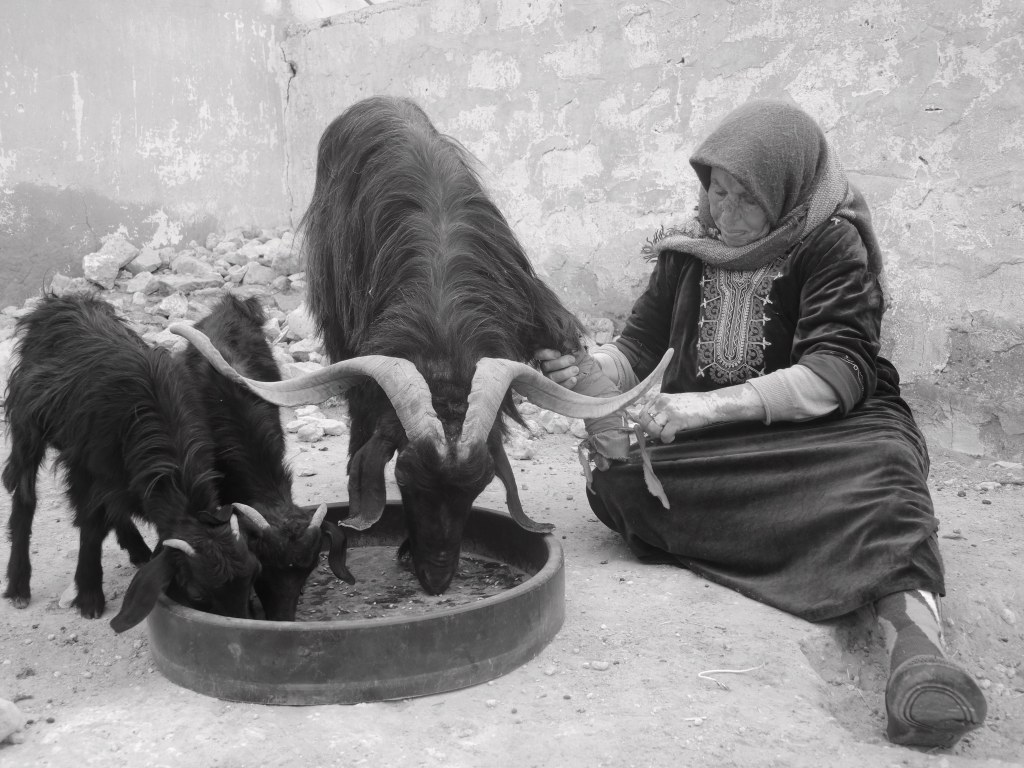
In conjunction with other livestock owners, young pastoralists in Douiret self-organize by mixing herds and pooling resources to overcome cash constraints and mediate various uncertainties and aspirational needs. By mixing herds, sharing herding labour costs and legitimising access to a mosaic of pastureland, pooling practices, institutionalised through the khlata, emerge as important examples of how livestock owners can accumulate livestock more flexibly while tracking the environmental and economic variabilities inherent in the. drylands.
The role, design and use of pooling mechanisms and pastoral institutions vary from place to place; nevertheless, as explained in the chapter’s conclusion, the cross-cutting principles of flexibility, autonomy and informality are key in generating options for pastoralists.
Learn more about Linda Pappagallo’s work. Read her PhD thesis and other posts here: https://pastres.org/tag/linda-pappagallo/
 Pastoralism, Uncertainty and Resilience - PASTRES