by Tahira Mohamed
This blog provides a brief overview of the sixth chapter of the newly published book Pastoralism, Uncertainty and Development edited by Ian Scoones.
Many standard development interventions in the drylands of northern Kenya aim to manage and control risk. Early warning systems, social protection support and humanitarian aid delivery are all premised on such assumptions. In presenting fixed, management responses, they do not engage with uncertainty, where the future is not known and nor do they articulate with pastoralists’ own practices that must embrace uncertainties on a day-to-day basis.
The chapter asks: how do pastoralists in Northern Kenya, Isiolo, confront uncertainties through collective solidarities and redistribution in the form of moral economy practices? And how does this articulate with the standard development aid/humanitarian response?

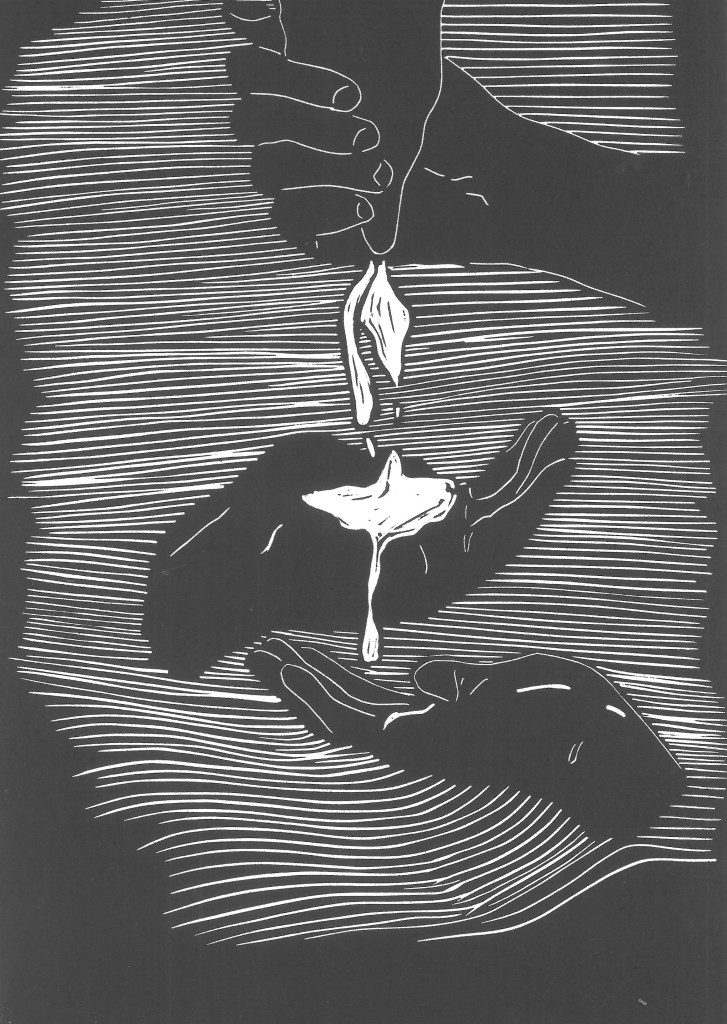
photovoice exercise of PASTRES photovoice project)
Through ethnographic research centred on participatory methods and case studies, the chapter identifies how pastoralists grapple with uncertainties that emerge through changes in structural conditions (due to shifts in market, governance), environmental factors (drought, floods, disease) and land-use changes (due to conservation encroachment and national park restrictions as well as a rise in the population). Despite these pressures, through time and space, pastoralism continues to thrive, albeit threatened by everyday uncertainties.
The chapter concludes with a brief discussion of the implications for humanitarian and development support in pastoral areas and how a ‘moral economy’ approach, centred on pastoralists’ own livelihood practices, might offer a route to confronting uncertainties and building resilience in the drylands of northern Kenya.
Learn more about Tahira Mohamed’s work. Read her PhD thesis and other posts here: https://pastres.org/tag/tahira-mohamed/
 Pastoralism, Uncertainty and Resilience - PASTRES