by Giulia Simula
This blog is based on the fifth chapter of the newly published book Pastoralism, Uncertainty and Development edited by Ian Scoones.

Pastoral producers in Sardinia, Italy face highly volatile markets for their sheep’s milk, resulting in huge uncertainties for production and marketing. Sardinia produces the world’s largest supply of Pecorino Romano cheese, which is exported across the world. As a result, pastoralists are tied into a global supply chain and suffer the downsides of an uncertain, globalised marketing arrangement, as well as its benefits in terms of a guaranteed market.
The chapter asks, how do pastoralists in Sardinia navigate this? How do they combine markets and marketing strategies to ensure reliable incomes in the face of high price volatility? The chapter explores five different strategies through a series of case studies, based on in-depth ethnographic work.
Industrial producers upgrade their systems with high capital investments to attempt to offset uncertainties, aiming to get premium prices. Those selling to cooperative milk processors and sellers hope to offset uncertainties through a more collective approach, both in marketing arrangements and political lobbying. Meanwhile, others diversify, building a livelihood portfolio on- and off-farm that allows them to survive. Others still invest in upgrading artisanal production through mini-dairies, where high quality cheeses can be sold to niche, high-value markets. Finally, there are those where production and marketing is part of a local exchange and gift economy and where cheese and milk sales combine with other agricultural and natural resource-based livelihood activities.
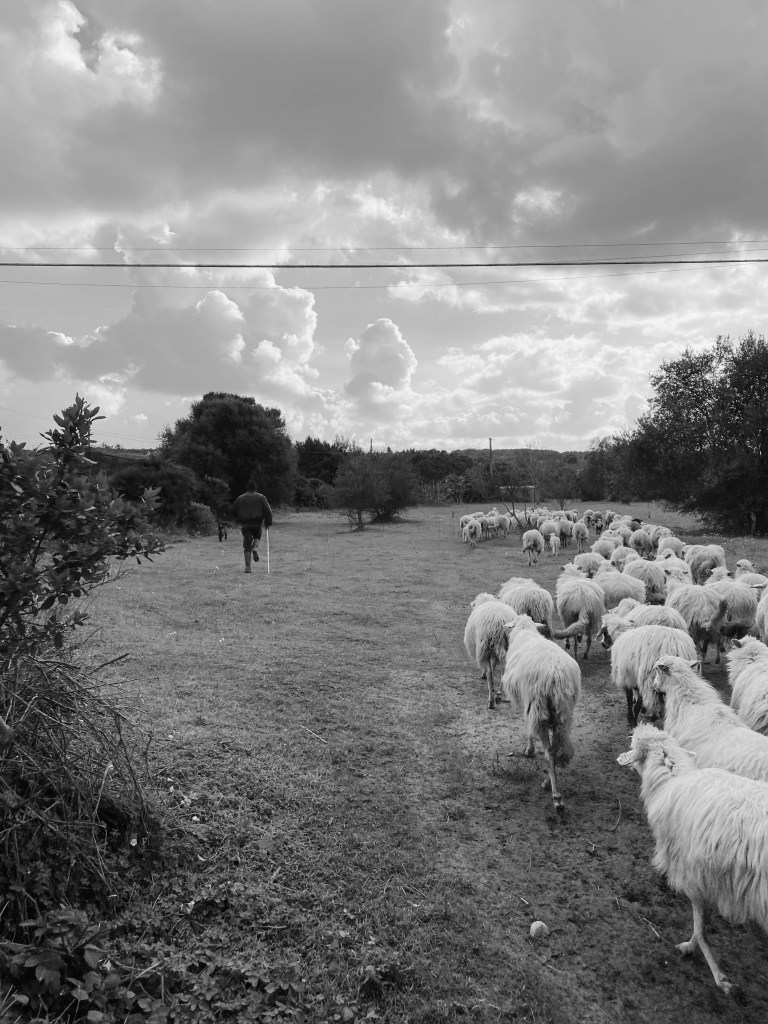
There are, in other words, many different types of pastoralist with different market engagements. These reflect not only market factors of supply, demand and price, but social relations, networks, forms of identity and a sense of belonging to territories and ways of life. These are ‘real markets’ with economic, social, cultural and political dimensions. However, each type of market and type of pastoralist is not separate; people combine different markets and move between different types of pastoralism. Responding to uncertainty in markets requires an agility to different conditions, as households’ _assets of land, labour and livestock combine with pastoralists’ agency and their sense of identity and commitment of particular ways of working to create diverse pastoral livelihoods in Sardinia.
Learn more about Giulia Simula’s work. Read her PhD thesis and other posts here: https://pastres.org/tag/giulia-simula/
 Pastoralism, Uncertainty and Resilience - PASTRES