by Palden Tsering
This blog provides a brief overview of the fourth chapter of the newly published book Pastoralism, Uncertainty and Development edited by Ian Scoones

Through a multi-case ethnographic approach using mixed methods in two pastoral sites in Amdo Tibet, China, this chapter explores emerging rangeland governance practices in these mountainous areas dominated by yak and small stock pastoralism.
The cases show how pastoralists use different ‘practices of assemblage’ to gain access to resources, often in increasingly constrained situations. Major investments in tourism, infrastructure and so on are changing the nature of rangelands on the Tibetan plateau in China, generating new uncertainties in resource management and grazing practices. This means new approaches to gaining access to resources, mobilising networks, institutions and new practices must be used.
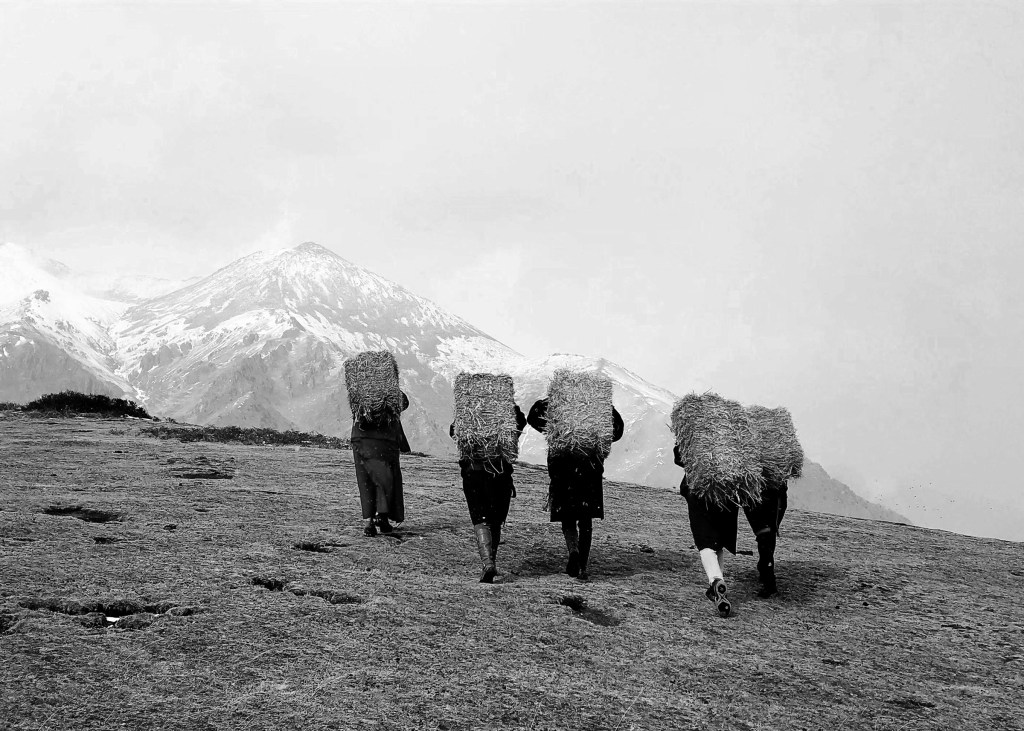
The result is that the emerging form of rangeland governance is ‘hybrid’, the result of a process of ‘assemblage’. As a consequence, the standard models of private, state, and common land tenure regimes are no longer relevant, and new forms of tenure arrangement are emerging in the rangelands to provide pastoralists access to reliable resources in the face of uncertainty. Understanding these new patterns of resource use and governance is important in order to help herders negotiate new forms of uncertainty and to define new approaches to rangeland policy that support pastoralism on the Tibetan plateau.
Learn more about Palden Tsering’s work. Read his PhD thesis and other posts here: https://pastres.org/tag/palden-tsering/
Recent papers by Palden Tsering :
Tibetan Buddhist monastery-based rangeland governance in Amdo Tibet, China – ScienceDirect
Over Time and Space: Hybrid Rangeland Governance in Amdo Tibet: Ingenta Connect
 Pastoralism, Uncertainty and Resilience - PASTRES